
4 Benefits of Live Chat Your Business Should Not Ignore
Most customers do not want to call, and they do not want to wait for an email reply either. They want an answer while they are still on your site, still deciding, still holding a question that could make or break the sale. That gap is where the benefits of live chat show up most clearly: it gives customers a fast, low friction way to get unstuck, without pulling them off the page they were already on.
This guide walks through five real scenarios where live chat changes the outcome of a customer interaction, what to weigh before adding it to your support mix, and how to think about the cost and staffing side of running it well.
- What Makes Live Chat Different From Phone and Email
- Are the Benefits of Live Chat Worth It for Your Business?
- 1. What are the benefits of live chat for a business?
- 2. How live chat compares to phone and email support
- 3. Whether live chat helps reduce cart abandonment
- 4. How much live chat typically costs compared to phone support
- 5. Industries that see the clearest benefits of live chat
What Makes Live Chat Different From Phone and Email
Live chat lets a customer keep browsing while getting help, which is something phone and email cannot offer. There is no hold music, no waiting for a callback, and no context lost between the question and the answer, since the agent can see exactly where the customer is having trouble and respond in real time.
It also handles volume differently. A single agent can manage several chat conversations at the same time, something no phone agent can do, which is part of why chat tends to cost less per interaction than a call while still keeping response times short.
4 Benefits of Live Chat for Your Business
Some of these will be obvious the moment you read them. Others only become clear once you have watched a real support queue struggle without this option.
1. 24/7 Support for Customers Worldwide
A business with customers across time zones needs a way to answer questions outside a normal 9 to 5, and live chat is one of the more practical ways to do that without asking a small team to work overnight shifts. Peer-reviewed research on live chat satisfaction, published in the journal Computers in Human Behavior, found that service quality, information quality, and system quality all shape how satisfied a customer feels with a chat interaction, with wait time consistently playing a central role in that experience.
Live chat can meet that expectation through a distributed team model, agents in different time zones covering different shifts, rather than forcing one location to staff every hour of the day. That structure lets customers get help exactly when they need it, not just when your headquarters happens to be open, which is one of the clearest benefits of live chat for any team with customers outside a single time zone.
2. Benefits of Live Chat: Multilingual Chat for International Customers
Offering support in a customer’s own language changes how an interaction feels, not just whether it gets resolved. Chat makes that easier to deliver consistently than phone support does, since agents can be routed by language without the customer needing to know which number to call.
This matters even more for businesses supporting customers with visual or hearing limitations, since a well built chat widget can offer accommodations that a phone line simply cannot, from screen reader compatibility to text based interaction that does not depend on hearing a voice clearly.
3. Guiding Confused Customers Toward a Decision
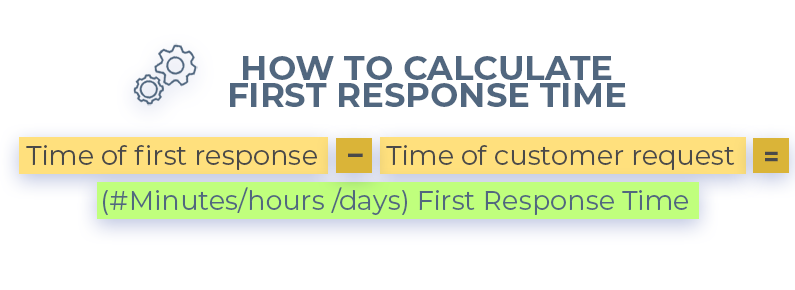
The core value of live chat is response time. A customer with a real question about a product or service does not want to dig through a help center, they want a direct answer from someone who can look at their specific situation.
- Agents can pull information from a live database instead of reciting a script, so answers stay current with what is actually being offered
- Clearing up confusion in the moment prevents a hesitant browser from simply leaving the site
- A resolved question is also a natural opening to mention a related product or service, without it feeling like a hard sell
This shows up most clearly in ecommerce, where independent checkout research puts the average cart abandonment rate at just over 70 percent across the industry, and an unanswered question about sizing, shipping, or a return policy is a common reason a shopper leaves without buying. A chat widget placed at the moments customers hesitate most, product pages and checkout, gives a business a chance to answer that question before the tab gets closed. For online sellers specifically, this is one of the most measurable benefits of live chat, since it is less about customer service as a cost center and more about recovering revenue that would otherwise walk away.
4. Defusing Tough Situations and Angry Customers
Some interactions arrive already tense, a bad experience, a confusing bill, a product that did not work as expected. Live chat gives a business a fast way to intervene before frustration turns into a lost customer or a public complaint.
A quick, competent response in the moment often saves the sale and surfaces a real process issue worth fixing. It also creates a written record of what went wrong, which is useful for spotting patterns that a phone call would never leave behind.
Reducing Cart Abandonment for Ecommerce Businesses
Ecommerce is where live chat tends to pay for itself fastest. Independent checkout puts the average cart abandonment rate at just over 70 percent across the industry, and an unanswered question at checkout, about sizing, shipping, or a return policy, is a common reason a shopper leaves without buying.
A chat widget placed at the moments customers hesitate most, product pages and checkout, gives a business a chance to answer that question before the tab gets closed. For online sellers specifically, this is less about customer service as a cost center and more about recovering revenue that would otherwise walk away.
Are the Benefits of Live Chat Worth It for Your Business?
For most businesses handling any real volume of website traffic, yes, because the benefits of live chat outweigh a phone-only setup: it meets the customer at the exact moment they are deciding whether to buy, stay, or leave. The math tends to work in its favor too, since one agent handling several chats at once typically costs less per interaction than staffing an equivalent phone queue.
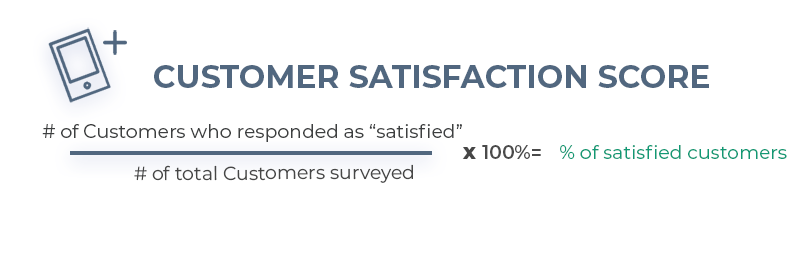
The bigger question is usually not whether to add live chat, but how to staff it well. A clear view of the metrics that matter (response time, resolution rate, satisfaction) makes it much easier to tell whether a chat program is actually working, instead of just assuming it is because the widget is live.
Common Concerns About Adding Live Chat
Some teams worry that chat just adds another channel to monitor without reducing the load anywhere else. That worry usually undersells the benefits of live chat once it is staffed properly, since a chat program that is properly staffed tends to pull volume away from phone and email, not add to it, because customers who can get a fast answer in chat usually take that option over waiting on hold.
Others worry chat cannot handle a real support workload the way phone can. Modern chat tools support file sharing, screen context, and smooth handoff to a human agent when a bot reaches its limit, and pairing live chat with a broader omnichannel strategy tends to close that gap rather than leave it open.

Let’s Talk About Your Live Chat Strategy
Redial BPO builds and staffs live chat programs that deliver the benefits of live chat as part of a broader customer service operation, not as a bolted on extra. Agents are trained on your product catalog and brand voice, and increasingly work alongside AI assisted tools that handle the repetitive questions so human agents can focus on the moments that actually need a person, something we cover in more detail in how we scale customer service with AI without losing the human touch.
Get a free quote to see what staffing a live chat program would look like for your traffic volume, or contact us if you would rather talk through where your current support is falling short first.
Frequently Asked Questions of the benefits of live chat
1. What are the benefits of live chat for a business?
The benefits of live chat include a faster path from question to purchase decision, lower cost per interaction than phone support, and the ability for one agent to handle several conversations at once. It also gives customers a way to get unstuck without leaving the page they are already on.
2. How live chat compares to phone and email support
Live chat resolves questions faster than email and does not require a customer to wait on hold the way phone support often does. It works best alongside phone and email rather than replacing them, since some customers still prefer to talk through complex or sensitive issues out loud.
3. Whether live chat helps reduce cart abandonment
Yes, when it is placed at the points where shoppers hesitate most, typically product pages and checkout. Unanswered questions about sizing, shipping, or returns are a common reason online shoppers abandon a purchase, and a chat widget gives a business a chance to resolve that hesitation before the customer leaves.
4. How much live chat typically costs compared to phone support
Live chat generally costs less per contact than phone support, largely because one agent can manage several conversations at once instead of being tied to a single call.
5. Industries that see the clearest benefits of live chat
Ecommerce and retail see some of the clearest benefits of live chat, since chat directly intercepts purchase hesitation, but any business with a website and a real volume of customer questions, from healthcare to financial services, tends to benefit from having a fast, low friction way to answer them.