

Omnichannel Customer Support: Benefits and Best Practices
Customers rarely stay on one channel anymore. They open a question on live chat, follow up by email, then call when it feels urgent, and they expect the brand to keep pace at every step. Omnichannel customer support is how companies meet that expectation, because it connects every channel into one system so the experience stays consistent wherever the conversation happens. Handled well, it turns scattered, one-off interactions into a single, coherent relationship, and that relationship is ultimately what brings customers back and keeps them spending with you instead of a rival.
The pressure to get this right keeps climbing year after year. Research on customer experience shows that shoppers will pay more for a better experience, and that a single poor interaction is often enough to send them straight to a competitor. In a crowded market where products and prices look increasingly alike, the quality of service has quietly become the difference that people actually notice, talk about, and remember. Getting the experience right is no longer a nice extra to add later, it is the competitive edge itself.
- What Omnichannel Support Really Means for Your Brand?
- Understanding the Benefits of Omnichannel Customer Support
- Clear Communication Keeps Every Support Channel Aligned
- Scaling Omnichannel Customer Support for Peak Seasons
- Why Customer Retention Depends on a Connected Experience?
- Turning Everyday Support Into a Powerful Growth Engine
- Frequently Asked Questions About Omnichannel Support
What Omnichannel Support Really Means for Your Brand?
Omnichannel customer support is a service model that links every channel a customer might use, including phone, email, live chat, social, and messaging, into one connected system. Every interaction feeds a single customer profile, so context follows the person instead of getting lost between separate tools and disconnected teams. The result is a conversation that feels continuous, even when it moves across three or four channels in the same day, and the customer never feels like they are starting over from zero each time they switch.
The distinction that matters is the gap between multichannel and omnichannel, and it is an easy one to miss. Being present on many channels is not the same as connecting them, because in a siloed setup customers are forced to repeat themselves every time they switch. When the channels genuinely share data, managing the movement between channels seamlessly becomes possible, and that clean handoff is what separates a smooth, low-effort experience from a frustrating one that quietly erodes trust with every transfer.

Understanding the Benefits of Omnichannel Customer Support
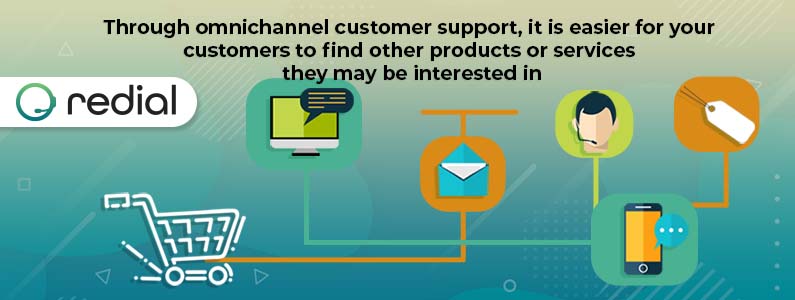
The clearest advantage of omnichannel customer support is a single, unified view of every customer. When all of the data lives in one place, any agent can instantly see what someone bought, asked about, and struggled with before, no matter which channel it happened on. That context lets teams calm tense moments quickly, personalize the response, and meet people wherever they choose to reach out, whether that is a late-night phone call from another country or a quick chat window opened on a laptop during a lunch break.
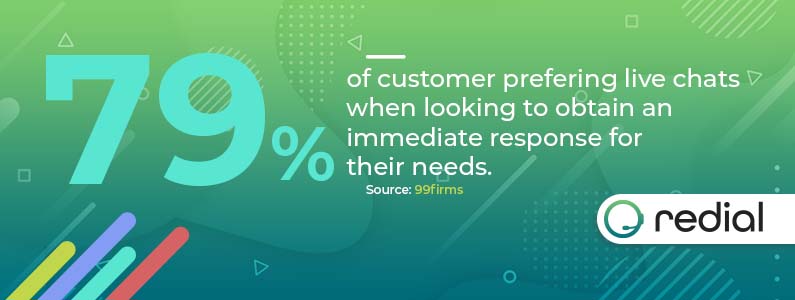
The benefits compound from there in ways that eventually show up on the balance sheet. Because the full history is visible, agents can tailor each interaction and point customers toward products that genuinely fit, which opens natural, low-pressure moments to upsell without ever feeling pushy. Real-time channels like live chat support also carry some of the highest satisfaction rates of any touchpoint, and there are clear scenarios where live chat delivers the most value for busy teams that need fast, accurate answers under pressure.
Clear Communication Keeps Every Support Channel Aligned
Connecting channels is a technology problem, but keeping communication clear is a discipline, and it is the layer that makes omnichannel customer support actually work in practice. Most service breakdowns trace back to the same handful of roots, which are unclear expectations, confusing messages, and information that never traveled from one team to the next. The system only helps if the communication flowing through it stays transparent and consistent, both with the customer on the line and with the client whose brand reputation is on the line.
Three simple habits keep that communication clean. First, ask people how they prefer to be reached, because meeting them where they already are removes friction before it ever starts. Second, default to transparency, since customers trust a brand far more when both sides can see the same information at the same time. Third, answer in a timely way every single time, and remember that preferences differ across generations, which is exactly the kind of nuance that well-run outsourced customer service teams are trained to handle day in and day out.
Scaling Omnichannel Customer Support for Peak Seasons
Omnichannel customer support is tested hardest when volume spikes, and nothing spikes demand quite like the holidays. Every year, holiday shopping reaches record volumes, compressing months of activity into a few frantic weeks that strain even well-staffed teams. Customers arrive with higher expectations for speed, personalization, and reliability, and one slow or clumsy reply can undo weeks of goodwill that the brand spent the rest of the year carefully building up.
Two capabilities separate the brands that thrive in peak season from the ones that buckle under the pressure. The first is the ability to scale coverage on demand, so a seasoned partner can add trained agents quickly and hold quality steady across every channel, which matters most in retail and e-commerce support where traffic can multiply overnight. The second is genuine round-the-clock coverage backed by AI-assisted voice support, because demand does not wait for business hours and always-on service has quietly shifted from a premium into a plain baseline expectation.
Why Customer Retention Depends on a Connected Experience?
Retention is where omnichannel customer support pays for itself many times over. Keeping an existing customer costs far less than winning a brand-new one, and the connected experience is what keeps people loyal in the first place rather than drifting quietly to a rival. When customers never have to repeat themselves and get the same reliable answer on every channel, effort drops and satisfaction rises, and those two shifts are among the most direct drivers of whether someone decides to stay. Loyalty, in other words, is engineered through hundreds of small, consistent moments rather than won in a single grand gesture.
The reverse is just as true, and it moves faster than most teams expect. Fragmented, inconsistent service is one of the quickest ways to lose customers who would otherwise have happily stayed, and word of a bad experience travels far and fast on social media. A connected model protects the relationships you already have, and because loyal customers tend to spend more, forgive the occasional slip, and refer others over time, the payoff shows up well beyond the support queue. Protecting that base is often the highest-return work a support team can do all year.
Turning Everyday Support Into a Powerful Growth Engine
Seen this way, omnichannel customer support stops being a cost center and starts working as a genuine growth engine for the business. Every consistent interaction reinforces trust, every remembered detail makes the next conversation easier, and every channel pulls in the same direction instead of quietly pulling apart. The businesses that treat support as part of the product itself, rather than an afterthought bolted on at the end, are the ones that turn everyday service into a durable competitive advantage that rivals find very hard to copy.
Getting there does not require building everything in house from scratch. Automation handles the routine questions while people handle the nuance and the emotion, and the real skill is blending AI with a human touch so that neither one ever gets in the way of the customer. Most brands reach a mature, reliable setup far faster by standing up a fully managed contact center than by trying to wire every channel together on their own with an already stretched internal team.Give your customers a service experience that feels effortless on every channel. Redial BPO builds nearshore and offshore teams that run all of your channels under one roof, with the communication discipline and round-the-clock coverage that keep customers loyal long after the first interaction. Ready to see it in action? Talk to our team or get a free quote, and we will show you how quickly we can stand up support built around your brand.
Frequently Asked Questions About Omnichannel Support
1. What is omnichannel customer support?
It connects every communication channel, including phone, email, live chat, social, and messaging, into one integrated system. Context carries across channels, so customers never repeat themselves and agents always see the full history behind every request.
2. What is the difference between multichannel and omnichannel support?
Multichannel means a business is present on several channels that work separately, while omnichannel means those channels are connected and share data. The practical difference is continuity, because a customer can start on chat and finish on the phone without losing context.
3. Why does omnichannel customer support improve retention?
Consistent, low-effort experiences keep customers loyal, and retaining an existing customer is far cheaper than acquiring a new one. When every channel reflects the same information, friction drops and satisfaction rises, and both feed straight into stronger retention.
4. How does a connected support model handle seasonal demand spikes?
A well-designed operation scales coverage up or down and runs around the clock, so peak periods like the holidays do not overwhelm response times. Partnering with a nearshore or offshore team makes it easier to add trained agents quickly when volume surges.
5. Can omnichannel customer support be outsourced?
Yes. An experienced BPO partner can run all channels under one roof, unify the data behind them, and provide round-the-clock coverage, often faster and at a lower cost than building the same capability in house.

Redialers Insights is Redial BPO’s editorial voice, sharing practical perspectives on business performance, operational excellence, customer experience, and company culture.
We share real-world learnings and timely updates to offer prospective clients a clear, trustworthy view of how Redial BPO supports brands, their customers and internal teams.