

RedialBPO
  • Services
    • Call Center Solutions
    • Contact Center Solutions
    • Core Services
      • Accounts Payable and Receivable
      • Back Office Support
      • Customer Service
      • Debt Collection
      • Insurance Verification
      • Order Taking Service
      • Sales Service Inbound and Outbound
      • Tech Support
      • Upselling and Cross-Selling
      • Voice AI Services
      • Workflow Automation Services
    • Additional Services
      • Appointment Setting
      • Data Processing
      • Email Request Services
      • Lead Generation
      • Live Chat Services
      • Transfer Service
    • BPO Services
    • BPO Nearshore Services
    • BPO Offshore Services
  • Industries
    • Automotive Services
    • Financial Services
    • Healthcare Services
    • Hospitality and Travel Services
    • IT Services
    • Logistics Services
    • Retail Services
    • Telecom Services
    • Utility and Energy Services
  • Locations
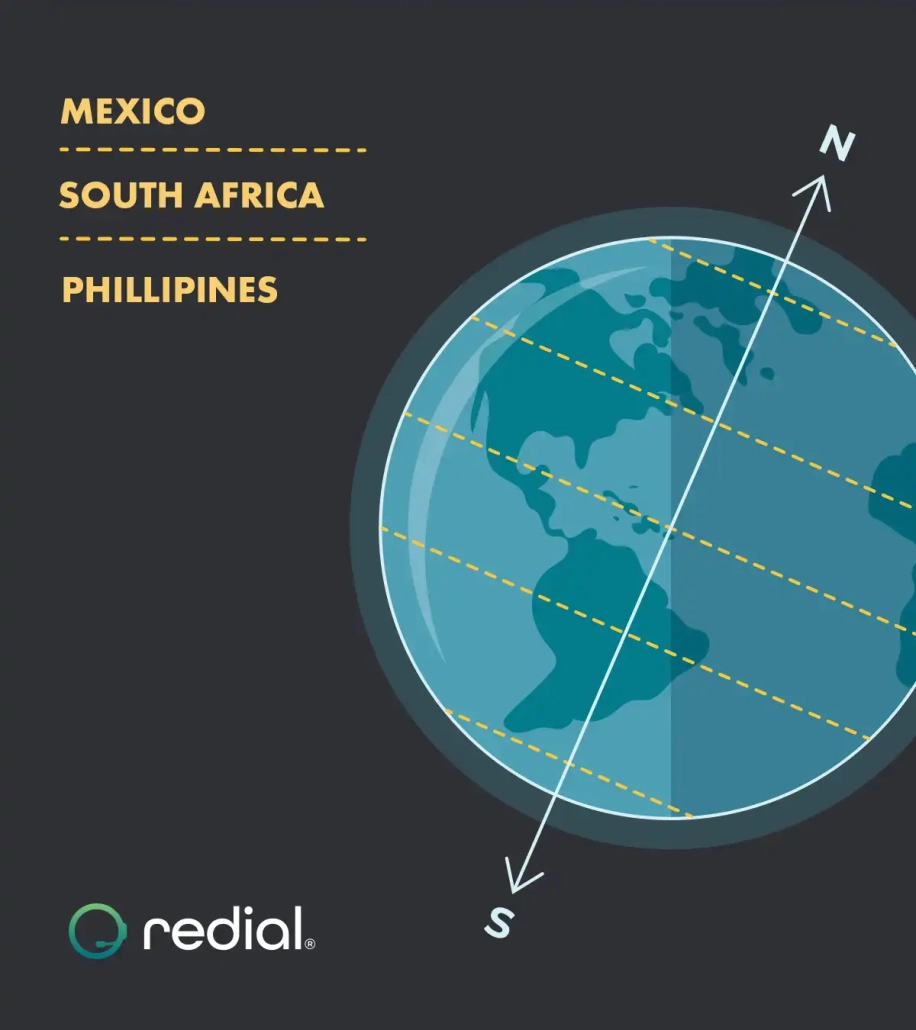
    • Mexico
    • South Africa
    • Philippines
    • Follow-The-Sun Model
  • News & Events
    • Blog
    • Events
  • Company
    • About Us
    • Our Team
    • Media
    • Contact Us
  • Join Redial!
  • Get a Free Quote
  • Menu Menu

Posts about BPO topics

banner the impact of technology on Cutomer service training

The Impact of Technology on Customer Service Training

June 1, 2023/in BPO /by Veronica Mascareno

With technology rapidly advancing, businesses are leveraging its power to transform their customer service training practices.  

In this blog post, we are going to tell you the importance of technology in customer service training, delve into best practices, discuss emerging trends, and highlight how companies can leverage technology to enhance their customer service efforts. 

Importance of Technology in Customer Service Training: 

Scalability and Efficiency: Technology enables companies to deliver customer service training at scale, eliminating the limitations of physical space and geographical barriers.  

It doesn’t matter if you work in an office or remote, project management tools and communication platforms can enable your team to have a seamless training process.  

Online platforms, webinars, and virtual classrooms, also allow businesses to train their customer service teams regardless of their location. 

Standardization of Training: Technology provides a consistent and standardized training experience for customer service representatives.  

Training modules, videos, and online assessments ensure that all employees receive the same level of knowledge and skills, resulting in a unified customer service approach across the organization. 

Cost-Effectiveness: Traditional training methods often involve significant costs associated with travel, accommodation, and training materials.  

By embracing technology, companies can reduce these expenses. 

Moreover, technology allows for the reuse and updating of training materials, reducing long-term costs. 

Best Practices in Technology-driven Customer Service Training: 

Interactive Learning: Incorporate interactive elements into training materials, such as quizzes, simulations, and case studies.  

This engages learners and encourages active participation, leading to better retention and application of knowledge. 

Personalization: Tailor training programs to meet the individual needs and skill levels of customer service representatives.  

Technology can facilitate personalized learning paths, adaptive assessments, and targeted feedback, enabling employees to develop at their own pace. 

Gamification: Gamify customer service training to make it more engaging and enjoyable. 

Leaderboards, badges, and rewards create a sense of competition and motivation among employees, fostering a culture of continuous learning. 

Blended Learning: Combine online modules with in-person or virtual instructor-led training sessions. Blended learning approaches leverage the benefits of both traditional and technology-driven training, providing a well-rounded learning experience. 

 Emerging Trends in Technology-driven Customer Service Training: 

AI-powered Chatbots: Implement AI-powered chatbots to enhance customer service training. 

Chatbots can simulate real-life customer interactions, allowing trainees to practice their typing skills in a controlled environment and receive immediate feedback. 

Virtual Reality (VR) and Augmented Reality (AR): Utilize VR and AR technologies to create immersive and realistic training scenarios.  

These technologies enable trainees to experience challenging customer service situations firsthand, enhancing their problem-solving and empathy skills. 

Data-driven Insights: Leverage data analytics to gain valuable insights into customer interactions and identify training gaps.  

Analyzing customer feedback, call recordings, and performance metrics helps companies identify areas for improvement and design targeted training interventions. 

Team Involvement and Troubleshooting: 

Collaboration Tools: Foster collaboration among customer service teams by utilizing communication and collaboration tools.  

Platforms like Slack, Microsoft Teams, or project management software enable teams to share knowledge, exchange best practices, and troubleshoot customer issues collectively. 

 Establish regular feedback loops between trainers, managers, and customer service representatives.  

This ensures continuous improvement and allows for the identification and resolution of training challenges or gaps in real-time. 

Final Thoughts:  

Technology has revolutionized customer service training, providing businesses with the tools and capabilities to enhance the skills and knowledge of their customer service teams.  

By leveraging technology, you can definitely achieve standardization, reduced costs in obsolete equipment and modules, and also, improved customer experiences.  

As AI, VR, and AR continue to advance, embracing emerging trends will allow companies to always be in touch with interesting market practices.  

If you enjoyed reading this blog, you can learn more about call centers in Mexico and our new destinations!  

If you want to talk with our team and see more details like pricing, let’s get in touch.  

https://redialbpo.com/wp-content/uploads/2023/06/BLOG-BANNER-Technology-on-Customer-Service-Training_BLOG_BANNER.jpg 300 800 Veronica Mascareno https://redialbpo.com/wp-content/uploads/2026/04/rbpo_logo_color_large_black_600x209-300x105.png Veronica Mascareno2023-06-01 09:02:492026-05-22 13:59:21The Impact of Technology on Customer Service Training
banner The importanc of weekly business reviews

The Importance of Weekly Business Reviews With Clients

May 24, 2023/in BPO /by Redialers Insights

Weekly business reviews are the single most underused tool in BPO account management. Most providers default to monthly or quarterly check-ins because that is what is easy to schedule, not because that cadence actually serves the client. By the time a quarterly review surfaces a problem, you have already lived with three months of underperformance.

The cost of that delay is measurable, especially for accounts built around customer service, where a small dip in response time or resolution rate can snowball into a much bigger problem if nobody catches it until the next quarterly check-in.

What Weekly Business Reviews Actually Covers

The properly weekly business reviews aren’t a status update dressed up as a meeting. It is a structured conversation built around the metrics that actually move the account forward. The most effective reviews follow a consistent agenda: a quick look at the KPIs that matter for that specific campaign, a review of anything that deviated from target, and a conversation about what changes need to happen before the next call.

That structure matters because it keeps the conversation focused on decisions rather than narration. A review that spends 40 minutes reading numbers off a slide and five minutes discussing what to actually do about them has the priorities backward. The data should already be understood by both sides before the call starts. The call itself is for judgment, not discovery.

A Step-by-Step Framework for Running a WBR

Redial structures every review around five repeatable steps, regardless of the account size or industry.

  1. Define the purpose.

Before the call happens, both sides agree on what this specific review is meant to assess. A campaign in its first 30 days needs a different focus than one that has been running for two years.

  1. Pull the relevant data.

KPIs, conversion rates, customer feedback, and any operational flags get compiled before the meeting, not during it. Walking into a review without the numbers already pulled wastes everyone’s time.

  1. Present a focused report.

A short, visual summary works better than a dense spreadsheet. The goal is for the client to understand the state of the account in the first two minutes, then spend the rest of the call discussing what matters.

  1. Discuss and decide.

This is the part most providers skip. Numbers without a decision attached are just trivia. Every metric that is off target should end with an agreed next step, owned by a specific person.

  1. Document and follow up.

Action items, owners, and deadlines get written down and tracked into the next review. Without this step, the same issues tend to resurface week after week with no visible progress.

A simple shared tracker, even something as basic as a spreadsheet both sides can see, is often enough to make this step stick. The format matters far less than the habit of actually closing the loop on what was discussed the week before.


What Weekly Business Reviews Actually Covers

Why This Cadence Drives Stronger Client Retention

The business case for weekly business reviews is not just operational tidiness. It is retention economics. Research on B2B retention consistently shows that companies running structured, frequent account reviews retain clients at meaningfully higher rates than those relying on ad hoc check-ins, and the financial impact compounds over time, since acquiring a new client typically costs five to twenty-five times more than keeping an existing one.

There is also a trust dimension that pure metrics do not capture. A client who hears from your team every week, even when the news is mixed, builds a fundamentally different relationship than one who only hears from you when something breaks. B2B companies retaining customers above 90 percent see 2.5 times higher profit margins compared to those below 70 percent, and consistency itself is one of the clearest levers behind that gap.

Common Mistakes in Weekly Business Reviews That Undermine an Otherwise Good Review

Even teams that commit to a weekly cadence often undercut the value of the meeting through a handful of avoidable mistakes. The most common one is treating the review as a one-way report instead of a two-way conversation, where the operational team talks for 25 minutes and the client listens, takes notes, and leaves with no real sense of being heard.

These reviews also lose their value when the agenda shifts every week without warning. If the client never knows what to expect walking into the call, they cannot prepare meaningful questions, and the meeting drifts into whatever feels urgent that day rather than what was actually agreed to be tracked.

A third failure point is skipping the documentation step entirely. Verbal commitments made during a call and never written down tend to evaporate by the next session, and clients notice when the same issue gets raised three weeks in a row with no visible movement. That pattern erodes trust faster than almost anything else in the relationship, partly because it signals that the team running the account is not actually paying attention between calls, even when everything said during the meeting itself sounds reasonable.

How This Connects to Back Office and Operational Support

A strong weekly business reviews process is only as good as the data feeding it. Campaigns that rely on back office support to handle data processing, reporting, and administrative workflows tend to walk into these reviews with cleaner, more reliable numbers, because the operational foundation underneath the review is solid in the first place.

This is part of why Redial treats account management and back office operations as connected functions rather than separate departments. A review is only useful if the data behind it can be trusted, and that trust gets built well before the call ever starts, often through processes the client never sees directly but benefits from every single week.

What Makes Redial Different in How We Run These Reviews

Plenty of BPO providers offer these check-ins as a checkbox item in their proposal. Why Redial runs them as a genuine extension of the client relationship, where the operational team functions less like a vendor reporting numbers and more like an internal partner accountable for outcomes.

That distinction shows up in small but telling ways: who raises a problem before the client notices it, who shows up with a proposed fix instead of just a diagnosis, and who treats a quiet week as an opportunity to look for the next improvement instead of coasting.

None of this is complicated in theory. Show up consistently, bring real data, have an honest conversation, and write down what gets decided. What makes it hard is discipline over time, especially across dozens of accounts running in parallel. The providers who actually sustain this rhythm month after month tend to be the ones clients renew without a second thought, because the relationship was never allowed to drift into uncertainty in the first place.

Ready to See Real Transparency in Your Campaign?

The best way to understand what Redial can do for you is a quick conversation. We will learn about your goals, walk you through how we structure these reviews, and if there is a fit, put together a custom quote.

Schedule a meeting   Tell us about your goals in a quick call and we will show you how Redial keeps you informed every week.

Request a free quote   Tell us about your needs and we will set up a call to walk you through a custom quote.


FAQ: Weekly Business Reviews With Clients

  1. Why are weekly business reviews important for BPO client relationships?

Weekly business reviews catch performance issues early, before they compound into bigger problems. They also build trust through consistent, transparent communication, which is one of the strongest predictors of long-term client retention.

  1. How is a weekly business review different from a quarterly business review?

A weekly review focuses on near-term operational adjustments and catches issues within days rather than months. A quarterly review tends to focus on broader strategic trends and overall account health rather than week-to-week execution.

  1. What metrics should be included in a weekly business review?

Core KPIs relevant to the specific campaign, conversion or resolution rates, customer feedback trends, and any operational flags that deviated from target during that week.

  1. Who should attend a weekly business review?

At minimum, the client stakeholder and the operational lead managing the account day to day. For larger accounts, a Client Experience Executive often facilitates the discussion to keep it focused and outcome-driven.

  1. How long should a weekly business review take?

Most effective reviews run 20 to 30 minutes. The data should be pre-compiled so the meeting time is spent on discussion and decisions rather than reading numbers aloud.

  1. Do weekly business reviews actually improve client retention?

Yes. Companies with structured, frequent account reviews consistently report higher retention than those using ad hoc check-ins, largely because problems get caught and addressed before they escalate into a reason to leave.

  1. What happens if a weekly business review reveals a problem?

Every identified issue should result in a documented action item with an owner and a deadline, tracked into the following review. A review that surfaces a problem without an agreed next step has not actually accomplished anything.

  1. Can weekly business reviews work for small accounts, not just enterprise clients?

Yes. The format scales down easily. Smaller accounts may need a shorter agenda, but the core discipline of consistent, documented check-ins applies regardless of account size.

  1. What role does data quality play in an effective weekly business review?

A significant one. Reviews built on unreliable or inconsistent data lead to decisions based on bad information. Strong operational support behind the scenes, particularly around reporting and data processing, is what makes the review trustworthy in the first place.

  1. How does Redial structure its weekly business reviews differently from other BPO providers?

Redial treats the review as a genuine extension of the client relationship rather than a contractual checkbox, with operational teams expected to proactively flag issues and propose fixes rather than simply report numbers after the fact.

Redial team logo
Redialers Insights

Redialers Insights is Redial BPO’s editorial voice, sharing practical perspectives on business performance, operational excellence, customer experience, and company culture.

We share real-world learnings and timely updates to offer prospective clients a clear, trustworthy view of how Redial BPO supports brands, their customers and internal teams.

redialbpo.com
https://redialbpo.com/wp-content/uploads/2023/05/BLOG-BANNER-Weekly-Business-Reviews-with-clients_BLOG_BANNER.jpg 300 800 Redialers Insights https://redialbpo.com/wp-content/uploads/2026/04/rbpo_logo_color_large_black_600x209-300x105.png Redialers Insights2023-05-24 09:33:452026-06-17 15:19:46The Importance of Weekly Business Reviews With Clients
banner how to know if your company needs a call center

How to know if your company needs a call center 

May 17, 2023/in BPO /by Veronica Mascareno

Because of all the competition within markets, companies are constantly striving to meet customer expectations and deliver exceptional service.  

One crucial aspect of achieving customer satisfaction is effective communication.  

If you find yourself grappling with increasing customer queries, growing costs, or the need for streamlined processes, it may be an opportune moment to consider implementing a call center. 

In this blog post, we will explore various signs that indicate your company could benefit from a call center and how it can enhance your overall customer experience. 

Overwhelming Customer Queries:  

As your company grows, so does customer demand. If you notice your team struggling to keep up with the rising volume of customer queries, it’s a clear indicator that you need a call center.  

Customer support representatives can handle a multitude of inquiries efficiently, providing prompt and personalized assistance.  

This not only improves customer satisfaction but also frees up your core team to focus on other essential tasks, ensuring a smooth operational workflow. 

If you allow this, you will experience overwhelming perspectives from both your team and clients. It is best to prepare and evaluate your operation needs sooner than later.  

Rapid Company Expansion:  

Experiencing rapid growth is an exciting phase for any business, but it also brings unique challenges.  

With a rapidly expanding customer base, it becomes increasingly challenging to maintain consistent communication standards.  

A call center becomes crucial to handle the surge in customer interactions effectively.  

By leveraging the expertise of customer experience (CX) professionals, you can ensure that every customer receives personalized attention and support, fostering loyalty and enabling your company to scale seamlessly. 

Escalating Costs:  

As operational costs rise, it’s essential to assess whether your current communication methods are cost-effective.  

Maintaining an in-house team solely dedicated to customer support can be expensive, especially when you consider hiring, training, and infrastructure costs.  

A call center provides a cost-efficient alternative. Outsourcing your customer service needs to a specialized call center enables you to leverage their existing infrastructure, expertise, and economies of scale.  

This translates into reduced costs while maintaining high-quality customer interactions. 

And, you won’t have to worry about hiring, training and onboarding processes and costs!  

Increasing Client Expectations:  

In an era where customer satisfaction plays a pivotal role in business success, meeting and exceeding client expectations is paramount.  

A call center equips your company with the tools to deliver exceptional customer experiences. 

Skilled CX professionals understand the intricacies of customer interactions and can handle challenging situations with finesse.  

Whether it’s managing complex queries, resolving complaints, or providing product information, a call center ensures that your clients receive top-notch service, building trust and fostering long-term relationships. 

Final Thoughts:  

Recognizing the signs that your company needs a call center is crucial for optimizing customer interactions and staying ahead in a competitive market.  

From efficiently managing customer queries and accommodating growth to reducing costs and exceeding client expectations, implementing a call center can be a game-changer for your business, enhancing your overall customer experience and driving success. 

Remember, embracing a call center is not just a step towards efficient customer support—it’s an investment in the growth and prosperity of your company. 

Thank you for reading our blog. If you want to learn more, click here.

Let us know if you want to deliver quality service through a call center!

https://redialbpo.com/wp-content/uploads/2023/05/hkcc.png 604 1592 Veronica Mascareno https://redialbpo.com/wp-content/uploads/2026/04/rbpo_logo_color_large_black_600x209-300x105.png Veronica Mascareno2023-05-17 09:31:022026-05-22 14:17:09How to know if your company needs a call center 
banner we asked chatgpt about the future of call centers

We Asked ChatGPT About The Future Of Call Centers 

April 26, 2023/in BPO /by Veronica Mascareno

ChatGPT keeps taking not only the internet, but several professional areas and even industries, by the storm.  

Even though it is still a project in constant development and the possibilities are still coming in, especially with the recent addition of their newest model- Chat GPT-4, people are already finding very interesting ways of application.  

But on this occasion, I was interested in asking Chat-GPT about the call center industry and what to expect in the coming years in terms of best practices, trends and forms of innovation.  

What is the call center industry?  

Of course, I wanted to have some sort of introduction to provide context and what information it could give me about the industry, which it responded:  

The call center industry involves companies that provide customer support services through telephone, email, live chat, or other communication channels.

The industry has grown in importance over the years due to the increasing demand for customer service, especially as businesses expand and operate on a global scale. 

Call centers can be inbound, meaning they handle incoming calls from customers seeking assistance or information, or outbound, where agents initiate calls to customers for surveys, telemarketing, or other purposes.

Call centers can also be categorized as onshore, nearshore, or offshore depending on the location of the agents providing the service. 

At first, it didn’t respond to the last question within the message which was why they are important? so I sent it again.  

It summarized in 4 key points:  

  1. Improved customer satisfaction  
  1. Revenue generation 
  1. Cost-effective 
  1. Valuable feedback 

Before getting to the final question, I also wanted to know if it could share some interesting trends that are going to be important for the industry.  

With no surprise, it responded with general trends that we have actually talked about in other blogs with a little bit more in depth. 

Call Center trends to look out for:

  • Omnichannel support 
  • Artificial Intelligence 
  • Data Analytics  
  • Cloud based solutions 

All of these practices are a must in Redial.  

Therefore, we are always looking for ways to innovate and be in touch with the best practices, providing real solutions and results to clients.  

Rising industries:

What are the top rising industries that require or will require call center services?

It gave seven industries, all sharing an increasing demand for call center service. 

  1. E-commerce
  2. Healthcare
  3. Finance and Banking
  4. Travel and Hospitality
  5. Telecommunications
  6. Education
  7. Government

So, to end the conversation, I finally asked the final question, which consisted in: 

What is the future of call centers? Do you see it as a reliable service? 

So, even though both my question and the answer are very general, I was surprised to see how it highlighted how every call center, and essentially every BPO company, should pay very close attention to clients’ needs and demands.  

I might add that In terms of reliability, call centers will continue to be a reliable service as long as they prioritize the needs and satisfaction of their customers.

Call centers that adopt best practices, such as investing in employee training, providing a consistent omnichannel experience, and using data analytics to improve customer interactions, are likely to be successful and reliable.

Final Thoughts:

Sticking to what people are really asking for in terms of problem solving and working more on comfortable digital experiences are key to staying competitive within the market.  

Every day, new teams and CX experts join forces to detect these patterns and enhance every type of experience. Do you?  

Thank you for reading this blog, if you would like to learn more about BPO, visit this section.

Want someone to help you out with your customer operations? Let’s talk!

https://redialbpo.com/wp-content/uploads/2023/04/BLOG-BANNER-Chat-GPT-Call-Center_BLOG-BANNER-1.jpg 300 800 Veronica Mascareno https://redialbpo.com/wp-content/uploads/2026/04/rbpo_logo_color_large_black_600x209-300x105.png Veronica Mascareno2023-04-26 10:08:262026-05-22 14:17:09We Asked ChatGPT About The Future Of Call Centers 
Banner redial South Africa

How Redial Will Take BPO Services To New Heights In South Africa 

April 14, 2023/in BPO /by Jason & Chris Heil

As a growing company, Redial is always looking for the best opportunities not only to provide top-quality BPO services but also impact the communities where we operate.  

So, when we are taking a big decision like the new operations site, we want to feel confident that every party will be satisfied.  

Last year we published a little teaser about the possibility of choosing South Africa as the new destiny for Redial to operate, but a few weeks ago we proudly made it official!  

Redial will begin operations this year in the beautiful city of Johannesburg, in South Africa. So, in this blog, we will talk about the incredible factors and our vision to take our services to the next level.  

Working and doing business with the pros 

Since we started, we have focused on providing great service, working alongside people that fits our culture of personal and professional growth and a sense of community.  

Taking that into consideration, we were delighted to meet BPESA (Business Process Enabling South Africa).  

A non-profit company that works with multiple regional and strategic partners to promote domestic and international investment for business process outsourcing in an offshore destination.  

They not only understand the call centre business, but they also truly understand how important it is for us, to provide great service and to contribute to the best practices.  

So, they have guided us into skills we should focus on and give important perspectives about the new market that we are facing.  

Impacting the local community 

To provide equal job opportunities and deliver them to the local talent, we are working with the platform SAYouth.  

This platform promotes job openings focused on young adults so they can get professional opportunities, learn skills and provide support to increase their profile.  

Getting into offshore operations:  

The country’s well-educated workforce and top infrastructure for BPO operations will help us continue deliver specialized services for multiple companies within multiple industries like finance, healthcare, hospitality and many more.  

Therefore, this opening will also allow us to make more calls in less time, leading to better customer engagement and higher revenue. 

Another great element to consider is the incredible English skills from locals.  

As previously pointed out by our friends and partners from Ryan Strategic Advisory, the King’s English’ accent is a competitive advantage. 

In addition to these benefits, Redial also aims to positively impact agent morale. We have automated repetitive tasks that allow agents to focus on more value-added activities, such as customer engagement and problem-solving. 

Our recognition programs and team dynamics have always been on top of the industry.  

One of our main objectives has been to differentiate from other call centers by actually caring and motivating our team members.  

We have accomplished this by recognizing our top performers, by different means and activities with high scoring internal surveys that we conduct periodically.  

This will not be any different in Johannesburg.  

Final Thoughts: 

All of this doesn’t come by itself. Over the years we have relied on a fantastic team of administrative staff, client experience executives, organizational development experts and of course, operation agents that helped make Redial what it is today. 

This is only the beginning of our vision to position Redial as a global outsourcing service provider and help companies in different regions such as North America and Western European clients.  

Thanks for reading our blog, we have many more right here on this section if you would like to learn more.  

You want to know how we can help? Let’s talk.  

Jason & Chris Heil

Jason & Chris Heil are the founders and managing partners of Redial BPO.

https://redialbpo.com/wp-content/uploads/2023/04/BLOG-BANNER-REDIAL-AFRICA_BLOG-BANNER.jpg 300 800 Jason & Chris Heil https://redialbpo.com/wp-content/uploads/2026/04/rbpo_logo_color_large_black_600x209-300x105.png Jason & Chris Heil2023-04-14 10:00:242026-05-22 14:17:09How Redial Will Take BPO Services To New Heights In South Africa 
Banner the power of communication

The Power of Communication: How Clear Communication Can Enhance the Client Experience 

March 27, 2023/in BPO /by Redialers Insights

Have you ever felt peace after receiving a direct and transparent message? 

From the beginnings of times, “communication” has been a key piece in the function of every day-to-day activity of all individuals. 

Why is it sometimes so hard to communicate clearly? Why does not having a clear communication create confusion and chaos?  

Our focus today will be communication between the BPO industry and the client, taking into consideration the Client Experience Executive role.  

What things can the client experience executives do to create a clear path of communication and reinforce the client relationship.  

Many conflicts are generated from poor communication, unclear expectations, confusing messages and inadequate information sharing. 

As a C.E.E our main job is to provide internal and external clients with clear information, making sure the right areas from both parts are calibrated for the success of the ongoing projects. 

There are 3 key pointers that can help the C.E.E make this happen: 

Role of technology in facilitating communication  

Working in the BPO industry can be a very occupied and hectic at times, taking advantage of the tools we have to communicate with clients is crucial.  

One of the most important questions I ask my new clients is: What is your preferred method of communication?  

You could be surprised by their answers, many of these involve emails, text, calls on their personal phone, WhatsApp, teams and many more. 

Based on your client response you can adapt and make sure you find the most effective way to communicate through there.  

I really enjoy when clients mention their preferred method is through email. This way everyone can be informed. 

Creating an email that includes a clear and concise subject line, brief introduction that sets the purpose, well organized body with clear paragraphs.

Consider adding a conclusion that reiterates main points and provides a call to action or next steps is a delightful experience for both parts.  

Also, make sure to tailor the communication in the best way possible for your client and this for sure will guarantee a great experience. 

The benefits of transparency in communication 

As a C.E.E it is important that you build trust with your clients, making yourself a key player to provide solutions.  

Being transparent helps you reduce conflict, improves decision making on both ends, enhances accountability, and fosters collaboration. 

Working in the BPO industry can be complicated for clients while they are in the process of adapting to working with different countries and cultures.  

By maintaining transparency in communication, you can provide a peaceful experience for the client onboard. 

Additionally, it increases efficiency by reducing the need for repeated conversations or clarifications, when both parties have access to the same information, it can help to minimize misunderstandings and streamline communication. 

There is nothing clients love more than transparency, this for sure will help you create some of the best client relationships. 

The impact of timely communication on the client experience 

The feedback we have received from past client satisfaction surveys that we have carried out to external clients, has been getting answers in a timely manner. 

If not all the time, the clients are always waiting on the C.E.E response to get clarification or a solution on certain matters.  

If there is a concern from a client that you are not able to respond to at that time, always make sure to acknowledge the concern and provide a timeline on when you will be getting back with a response. 

When this is not being done, clients can assume that their concern is being ignored or is not being taken seriously.  

Acknowledging a client’s email, call, text etc. is groundbreaking for many client relations. 

Once you’ve set a timeline to get a response to your client, make sure to follow it. If modifications need to be made to the original timeline inform and follow the new timeline. 

Clients understand that there are a lot of things that need to be taken into consideration before providing a solution or answer, if you are effectively communicating and following up. 

  • Conclusion/ Final Thoughts  

The C.E.E needs to provide a precise message to the client at all times, this will only improve the work relationship experience they have. 

In conclusion, the power of effective communication can have a significant impact on the client experience by building trust, improving satisfaction, increasing efficiency, reducing stress, and enhancing reputation.  

By prioritizing communication with clients through C.E.E businesses can create a more positive and successful client experience. 

You want to learn more about us and how we can help? Let’s talk  

Redial team logo
Redialers Insights

Redialers Insights is Redial BPO’s editorial voice, sharing practical perspectives on business performance, operational excellence, customer experience, and company culture.

We share real-world learnings and timely updates to offer prospective clients a clear, trustworthy view of how Redial BPO supports brands, their customers and internal teams.

redialbpo.com
https://redialbpo.com/wp-content/uploads/2023/03/BLOG-BANNER-YESSICA_BLOG-BANNER.jpg 300 800 Redialers Insights https://redialbpo.com/wp-content/uploads/2026/04/rbpo_logo_color_large_black_600x209-300x105.png Redialers Insights2023-03-27 09:22:392026-05-22 14:17:09The Power of Communication: How Clear Communication Can Enhance the Client Experience 
banner the bigest trends in TMT right now

The Biggest Trends In TMT Right Now 

March 21, 2023/in BPO /by Veronica Mascareno

It has been fascinating keeping up with the constantly evolving world of technology, media, and telecom, with new trends and innovations emerging yearly.  

As we keep moving into 2023, several trends are shaping the industry and creating exciting opportunities for businesses of all sizes. 

One of the biggest trends in the industry right now is the rise of nearshore call centers and their technology, which has enhanced many processes and keeps becoming more popular among investors due to internal factors in the US. 

More and more companies are looking to outsource their customer service operations to nearshore locations, such as Mexico, to take advantage of lower labor costs, cultural similarities, and geographical proximity.  

Digital tools & outsourcing

Nearshore call centers can provide various benefits, including cost savings, increased flexibility, and access to a highly skilled workforce. 

Another trend that is gaining momentum in the industry is the adoption of artificial intelligence and automation.  

Advances in machine learning and natural language processing are making it possible to automate many routine tasks, such as answering customer inquiries and processing transactions.  

This not only improves efficiency and reduces costs but also frees up human agents to focus on more complex and high-value customer interactions. 

Telecom Phone Device

Cloud Services

In addition, the rise of cloud computing and the Internet of Things (IoT) drives the need for faster, more reliable connectivity.  

This leads to an increased focus on 5G networks, which offer faster data speeds, lower latency, and greater capacity than previous generations of wireless technology.  

With 5G, businesses can take advantage of new applications and services, such as virtual and augmented reality, that require high bandwidth and low latency. 

This has created a demand for new tools and platforms that enable remote work, such as video conferencing, project management software, and virtual collaboration tools. 

If you are considering hiring a call center in Mexico or other nearshore companies, now is a great time. 

Final Thoughts

 With the rise of nearshore call centers, you can take advantage of the benefits of outsourcing while also maintaining cultural and geographical proximity to your customers. 

And with the latest technology trends, you can ensure that your call center is equipped with the tools and platforms needed to provide the best possible customer service. 

In conclusion, the technology, media, and telecom industry constantly evolves, and many exciting trends and opportunities exist to explore.  

Whether you are looking to outsource your customer service operations, adopt new technology, or embrace remote work, there are many ways to stay ahead of the curve and drive success for your business. 

Want some help? Let’s talk!

https://redialbpo.com/wp-content/uploads/2023/03/Banner_TMT_BLOG_BANNER.jpg 300 800 Veronica Mascareno https://redialbpo.com/wp-content/uploads/2026/04/rbpo_logo_color_large_black_600x209-300x105.png Veronica Mascareno2023-03-21 09:10:152026-05-22 14:17:09The Biggest Trends In TMT Right Now 
Managing High Call Volume: Strategies for Success

Managing High Call Volumes: Strategies for Success

March 3, 2023/in BPO /by Veronica Mascareno

High call volume remains one of the toughest operational challenges for any customer service team, and in 2026 the stakes are higher than ever. Customers expect faster answers, AI has changed what “good” looks like, and the gap between contact centers that have modernized their approach to high call volume and those still relying on legacy methods is widening fast.

The good news: handling high call volume and delivering exceptional customer service no longer requires guesswork. Between updated benchmarks, AI-assisted routing, and proven workforce strategies, there is a clear playbook for managing high call volume during peak demand. That includes offloading predictable, schedulable demand through appointment setting support so your team can focus on the complex calls that actually need a live agent.

This guide breaks down the core strategies for handling high call volume, what has changed since AI became standard in contact centers, and how to decide whether in-house staffing or an outsourced partner is the better fit for your peak-handling needs.

Why high call volume is harder to manage effectively in 2026

Call volume spikes are not new. What has changed is the toolkit available to handle them, and the standards customers now hold you to. Industry benchmark data from Natterbox, Gartner, and major platforms like Nextiva and CloudTalk shows a 2026 contact center should be targeting an average speed of answer near 28 seconds, a call abandonment rate between 2% and 5% (with anything above 8% signaling a real staffing or IVR problem), and a first call resolution rate of 70-75%, with top performers pushing past 80%.

At the same time, roughly 80% of contact centers are expected to use AI in some form in 2026, and AI-driven deflection is reducing total interaction volume reaching human agents by an estimated 40-50% in organizations that have deployed it well. That means the call volume your team handles today looks different than it did even two years ago: fewer simple, repetitive calls, and a higher concentration of complex issues that take longer to resolve per contact. That is why average handle time benchmarks have shifted from a flat “shorter is better” target toward a more nuanced 4-7 minute range that accounts for AI pre-qualification.

In short, managing high call volume in 2026 is not just about getting through more calls. It is about routing the right calls to the right resource, whether human or AI, fast enough to keep abandonment low and resolution quality high.


Redial BPO managing high call volume

Implement smart call queuing

Call queuing is still one of the most effective ways to handle high call volume and reduce customer wait times. By placing callers in a queue, you can prioritize based on urgency, value tier, or intent, and handle calls in a structured order rather than first-come-first-served chaos.

Modern queuing goes further than older systems. Real-time wait-time estimates and automated callback options now let customers opt out of holding without losing their place, which is one of the most reliable ways to cut abandonment. Pair this with skills-based routing so that complex issues land with agents who can actually resolve them on the first try, rather than bouncing between transfers.

The principle from earlier versions of this strategy still holds: queuing alone is an organizational tool, not a complete solution. It needs to work alongside the staffing, training, and AI layers below to actually move the needle on customer experience.

Train your customer service team for high call volume periods

As AI absorbs more of the simple, repetitive call volume, the calls that reach your human agents during periods of high call volume are, on average, more complex. That raises the bar for training. Active listening, problem-solving under pressure, and deep product knowledge are no longer optional extras. They are the baseline expectation for any agent fielding calls that AI could not resolve on its own.

Your team should also be trained to work alongside AI tools rather than around them: trusting AI-suggested next steps when they are accurate, and knowing when to override them. We have covered the foundations of this in more detail in the importance of employee training in call centers, and that foundation matters more, not less, in an AI-augmented environment.

How to track call center metrics for human agents and AI tools

Monitoring call metrics such as call volume, average handle time, and abandonment rate helps you identify trends and staffing gaps before they become customer complaints. As a nearshore call center serving clients across the U.S., we track core fundamentals for every campaign:

  • Bilingual communication quality in both English and Spanish.
  • Average handle time, segmented by inquiry complexity.
  • Abandonment rate, measured against time-to-abandon thresholds.

What is different in 2026 is that these metrics now need to be tracked at three levels: AI-only performance, human-only performance, and the blended total. Averaging everything together hides exactly where your operation is breaking down. If your blended CSAT looks healthy but your AI resolution rate is masking a high human escalation rate, you have a problem that a single blended number will never show you.

We build custom metrics alongside every client on top of these fundamentals, because the right KPI mix depends heavily on your industry and call mix. The advice from earlier versions of this guide still applies: be specific with the metrics you track, and make sure the team accountable for those metrics actually has the authority to act on what they reveal.

AI-assisted management strategies for high call volume peaks

This is the biggest shift since this guide was first written, and it deserves its own section. AI-assisted volume management now plays a direct role in how contact centers absorb high call volume during peak demand without proportionally scaling headcount.

In practice, this looks like a few specific capabilities working together:

Predictive routing and triage. AI can read intent signals from IVR selections, account history, or chat transcripts before a call ever reaches a human, routing high-complexity calls to senior agents and resolving simple ones (password resets, order status, appointment confirmations) without any agent involvement at all.

Real-time agent assist. Rather than replacing agents, AI tools increasingly support them mid-call: surfacing relevant account context, suggesting next-best actions, and drafting after-call summaries. Early data from platforms like Dialpad and CloudTalk suggests this can cut average handle time by 20-35% on assisted calls compared to fully manual handling.

Dynamic overflow management. During genuine volume spikes (a product recall, a billing error affecting thousands of customers, a seasonal peak) AI-powered routing can flex capacity by deflecting eligible calls to self-service or chat, smoothing the spike instead of letting it overwhelm the queue outright.

The caveat that matters: AI resolution rates currently range from 30-50% across most ticket types, with some categories exceeding 80% and others, particularly emotionally charged or highly regulated interactions, performing far worse. AI-assisted volume management is a force multiplier for handling high call volume, not a replacement for a well-trained human team. The contact centers getting the most value from it are the ones using AI to free up human agents for the calls that genuinely need a person, not the ones using it to justify cutting staff before resolution quality has been proven out.

Diversify your contact channels

Offering multiple contact channels (email, chat, social media, and self-service portals) continues to be one of the most effective ways to distribute inquiry volume and reduce pressure on your phone queue specifically. This also gives customers more control over how they reach you, which tends to improve satisfaction and loyalty independent of how quickly any single channel resolves their issue.

Self-service containment rates in 2026 range from 20% to 60% depending on automation maturity. Every inquiry your self-service or chat channel resolves is one fewer call your phone team has to absorb during a spike in high call volume, which makes channel diversification a direct lever on call volume itself, not just a parallel convenience.

In-house vs. outsourced: which handles high call volume better?

For many businesses, the real question is not which strategy to implement. It is who should be responsible for executing it once volume spikes hit. Here is how the two models typically compare on the factors that matter most during peak demand.

Factor

In-House Team

Outsourced Partner

Scaling for seasonal spikes

Limited by hiring/training lead time; often 4-8 weeks to onboard new agents

Can flex headcount in days to weeks using an existing trained bench

Cost during peak periods

Fixed payroll cost regardless of volume, plus overtime during spikes

Often usage-based or tiered pricing aligned to actual volume

AI and routing technology

Requires internal investment in tooling, integration, and maintenance

Typically already deployed and tuned across multiple clients

Bilingual coverage

Dependent on local hiring market

Built in by design at nearshore/offshore providers

Continuity risk

High. Institutional knowledge leaves when an agent or manager resigns

Lower. Provider absorbs turnover and maintains coverage

Speed to deploy for a new spike

Weeks to months for meaningful headcount increase

Days to a few weeks for an experienced partner

Brand and product depth

Strongest. Agents live inside the company daily

Requires deliberate onboarding and ongoing alignment


Neither column is universally right. A business with steady, predictable volume and a highly specialized product may get more value from a smaller in-house team with deep institutional knowledge. A business facing unpredictable seasonal peaks, after-hours demand, or rapid growth typically gets more value from an outsourced partner that can flex capacity without a multi-month hiring cycle.

Take the First Step Toward a Real Connection

Handling high call volume in 2026 requires the same operational discipline this guide has always emphasized: smart queuing, trained agents, disciplined metrics, and diversified channels, layered with a new requirement: a deliberate AI strategy that supports your team instead of merely deflecting calls away from it.

You can manage high call volume and deliver exceptional customer service by implementing structured queuing, training your team for the higher-complexity calls AI cannot resolve, monitoring human and AI performance separately, diversifying your contact channels, and choosing the staffing model (in-house, outsourced, or hybrid) that matches how predictable or volatile your demand actually is.

Looking for call center solutions that scale with your volume without a multi-month ramp-up? Talk to our team.

https://redialbpo.com/wp-content/uploads/2023/03/BLOG-BANNER-CALL-VOLUME-1.jpg 300 800 Veronica Mascareno https://redialbpo.com/wp-content/uploads/2026/04/rbpo_logo_color_large_black_600x209-300x105.png Veronica Mascareno2023-03-03 14:06:462026-06-18 16:00:33Managing High Call Volumes: Strategies for Success
banner 6 factors to consider in nearshore

6 Factors To Consider In Nearshore Investment

February 24, 2023/in BPO /by Veronica Mascareno

Considering investing in nearshore markets can be a smart way to expand your business operations, reduce costs, and take advantage of new growth opportunities.   

However, there are a few factors to consider before leaping.  

In this blog, we’ll look at six key factors you should consider when evaluating, alongside your team, nearshore investment opportunities.  

Cost reduction

One of the primary benefits of nearshore investment is that it can reduce labor costs. By locating operations in countries with lower wage rates, companies can save money while benefiting from a highly skilled workforce. 

However, it’s important to consider other factors beyond just hourly wages.  

For example, some countries may have more flexible labor laws or a better-trained workforce, which could impact overall costs and productivity. 

Here in Mexico, where Redial operates, historically has a top talent for any company looking for bilingual agents that understand how vital the customer experience (CX) is.  

It’s essential to also consider the local labor market and wage trends to ensure your investment is cost-effective while still providing opportunities and improvement for communities.  

Reduced Travel  

Another benefit of nearshore investment is reduced travel. By locating operations closer to your home market, you’ll be able to minimize travel time and costs, as well as improve communication and collaboration between your nearshore and home teams.  

This can help to avoid misunderstandings and ensure that projects are completed on time. 

Shared Infrastructure Costs  

In most nearshore markets, there are shared infrastructure costs that can help reduce the overall price of doing business.  

For example, you might not worry about office space, technology, and support services with other companies in the area. This can help you save money and improve your operational efficiency.  

You can count on well-developed telecommunications networks, modern office buildings, and reliable transportation systems. 

It is always good when you can rely on a partner that can handle all recruitment needs while providing all the space, tools, and necessary support. 

Time Zone Alignment  

Time zone alignment is another crucial factor to consider when evaluating nearshore investment opportunities. 

 By locating operations in countries with similar time zones to your home market, you’ll be able to improve communication and collaboration between your teams, as well as reduce the need for after-hours support and maintenance.  

This strategy has become very comfortable for decision-makers since they do not have to worry about time misunderstandings, plus it also helps in different area strategies such as:  

  • Access to a significant professional talent pool.  
  • Dynamic workplaces  
  • Great communication  

Cultural Similarities  

Cultural similarities can also play a key role when you decide to establish a nearshore call center.  

By locating operations in countries with similar cultural values, you’ll be able to build strong relationships with your employees and customers, as well as minimize the risk of cultural misunderstandings that can impact your business.  

Also, societies share many views on relatable topics, so conversations and troubleshooting can be more pleasant with customers while ensuring compliance.  

Finally, it’s important to consider legal and regulatory alignment when evaluating nearshore investment opportunities. 

You’ll need to be aware of local laws and regulations and the stability of the legal and regulatory environment to ensure that your investment is secure and sustainable.  

Final Thoughts:  

In conclusion, nearshore investment can be a smart way to expand your business operations, reduce costs, and take advantage of new growth opportunities.  

However, it’s important to carefully consider the factors discussed above to ensure that your investment is successful.  

Whether you decide to establish an inbound/outbound call center, establish a team to handle your tech support services, we got you.  

Redial helps you evaluate labor costs, reduced travel, shared infrastructure costs, time zone alignment, cultural similarities, and legal and regulatory alignment.  

You can make an informed decision and maximize your return on investment. Ready to talk?  

Thank you for reading this blog, if you want to learn more, visit our blog section.  

https://redialbpo.com/wp-content/uploads/2023/02/6factors.jpg 300 800 Veronica Mascareno https://redialbpo.com/wp-content/uploads/2026/04/rbpo_logo_color_large_black_600x209-300x105.png Veronica Mascareno2023-02-24 18:32:232026-05-22 14:17:096 Factors To Consider In Nearshore Investment
banner what makes a great outsourcing partnership

What Makes A Great Outsourcing Partnership (and even friendship)

February 2, 2023/in BPO /by Veronica Mascareno

As the term nearshoring keeps popping out on different media outlets, reinforced by constant trade and investment agreements, companies will continue to outsource. 

So, in the month of love and friendship, we see fit to talk about the benefits of outsourcing partnerships and how to keep them successful and turn them even into friendships.  

Which ultimately relies on development and execution.  

This is built on several key elements that work together to create a productive and mutually beneficial relationship.  

Here are some of the most important factors that make an outsourcing partnership great for success: 

Clear Communication & Trust: 

I can’t get enough of saying how communication is vital to any successful relationship, and outsourcing partnerships are no exception.  

Both players need to have a clear understanding of expectations, goals, and responsibilities.  

Regular check-ins, updates, and open communication help prevent misunderstandings and ensure everyone is working towards a common goal.  

But don’t fall into micro-management. Sometimes is hard to let go, but it has been proven multiple times the dangers of certain practices.  

And trust is even more essential to build and keep since it’s necessary to work with a trustworthy and dependable partner.  

You can consider a proven track record of delivering quality work on time and within budget. 

At the end of the day, outsourcing is a way to delegate and rely on professionals to optimize and enhance your services.  

Aligned Goals:  

Both parties must have aligned goals and a shared vision for the outsourcing partnership.  

We consider this important to mention, because sometimes, decision makers maybe don’t consider or just don’t know how a technical or operational subject will be of relevance.  

But you could be surprised!   

This can help ensure that everyone is working towards the same objective and the partnership is working towards the business’s overall success. 

And this must be shared with all departments, reaching not only operations but also the administrative and creative area.  

If all teams are on the same page, the workflow will be faster and cohesive.  

Shared Responsibility:  
Executives should take shared responsibility for the partnership’s success. 

This can include providing resources and support, collaborating on strategy, and working closely with the business to meet its goals.  

They also must be open to new and creative ideas to execute business needs to innovate and meet client’s demands.  

Flexibility:  

The best outsourcing partnerships are flexible and adaptable to change.  

As business needs evolve, the outsourcing partner should be willing to adjust processes, systems, and services to meet the changing needs of the business. 

Expertise:  

The outsourcing partner should have a deep understanding of the industry and specific expertise in the areas they are responsible for.  

This expertise can help drive innovation, improve processes, and provide valuable insights to the business. 

It should also deliver high-quality work that meets or exceeds expectations. 

This can help ensure that the outsourcing partnership adds value to the business and contributes to its overall success. 

Both parties should approach the outsourcing relationship as a partnership, not just a vendor-client relationship.  

Meaning that you have work together to overcome challenges, sharing information and resources, and fostering a collaborative culture. 

Final thoughts:

In conclusion, both can create a valuable tool for businesses, but only when executed properly.  

This partnership requires all the factors mentioned and even more.  

Companies can increase efficiency, drive growth, and achieve greater success by focusing on these critical elements. 

Thank you for reading our blog, if you want to learn more about the industry, visit other articles!  

Want to contact us or get a better idea on how we can help? Send us a message.  

https://redialbpo.com/wp-content/uploads/2023/02/BLOG-BANNER-Great-Outsourcing-Partnership.jpg 300 800 Veronica Mascareno https://redialbpo.com/wp-content/uploads/2026/04/rbpo_logo_color_large_black_600x209-300x105.png Veronica Mascareno2023-02-02 20:44:042026-05-22 14:17:09What Makes A Great Outsourcing Partnership (and even friendship)
Page 3 of 6‹12345›»

Search our CX Blog

Recent Posts

  • CCW Las Vegas 22-25 June, 2026 - Redial BPO - Official SponsorRedial BPO Is an Official Sponsor of CCW Las Vegas 2026 — and We’re Bringing Something BigMay 19, 2026 - 12:59 pm
  • Banner for a report: The State of Insurance Verification 2026; subtitle notes AI, staffing pressure, and denials; stethoscope on the left with Redial logo.Prior Authorization Outsourcing: How Healthcare Practices Are Cutting Denials and Reclaiming Clinical TimeApril 24, 2026 - 11:17 am
  • Auto Finance Summit East 2026Redial BPO attending Auto Finance Summit East 2026April 13, 2026 - 1:02 pm
  • Redial BPO’s 9th AnniversaryCelebrating Redial BPO’s 9th Anniversary: Nine Years of Growth, People, and PurposeMarch 13, 2026 - 4:46 pm
  • Shoptalk Spring 2026Redial BPO attending ShopTalk Spring 2026March 4, 2026 - 1:50 pm

Categories

  • Awards
  • BPO
  • Customer Service
  • Customer Support
  • CX and Services
  • Events
  • Healthcare
  • Industries
  • Insurance Verification
  • Live Chat
  • News
  • Omnichannel
  • Redial Culture

PCI Logo Redial BPO

Resources

Services

Industries

Blog

Get a Quote

Services

Appointment Setting

Customer Service

Debt Collection

Email Services

Lead Generation

Live Chat

Tech Support

Transfer Services

About Us

Leadership

Contact Us

Privacy Policy

Terms of Use

Logo Redial

© 2026 Redial. All Rights Reserved.

Scroll to top